Explore Mudras in Yoga with Amantrhit Wellness Retreat Center.
Mudras in Yoga—The Meaning and Science behind it
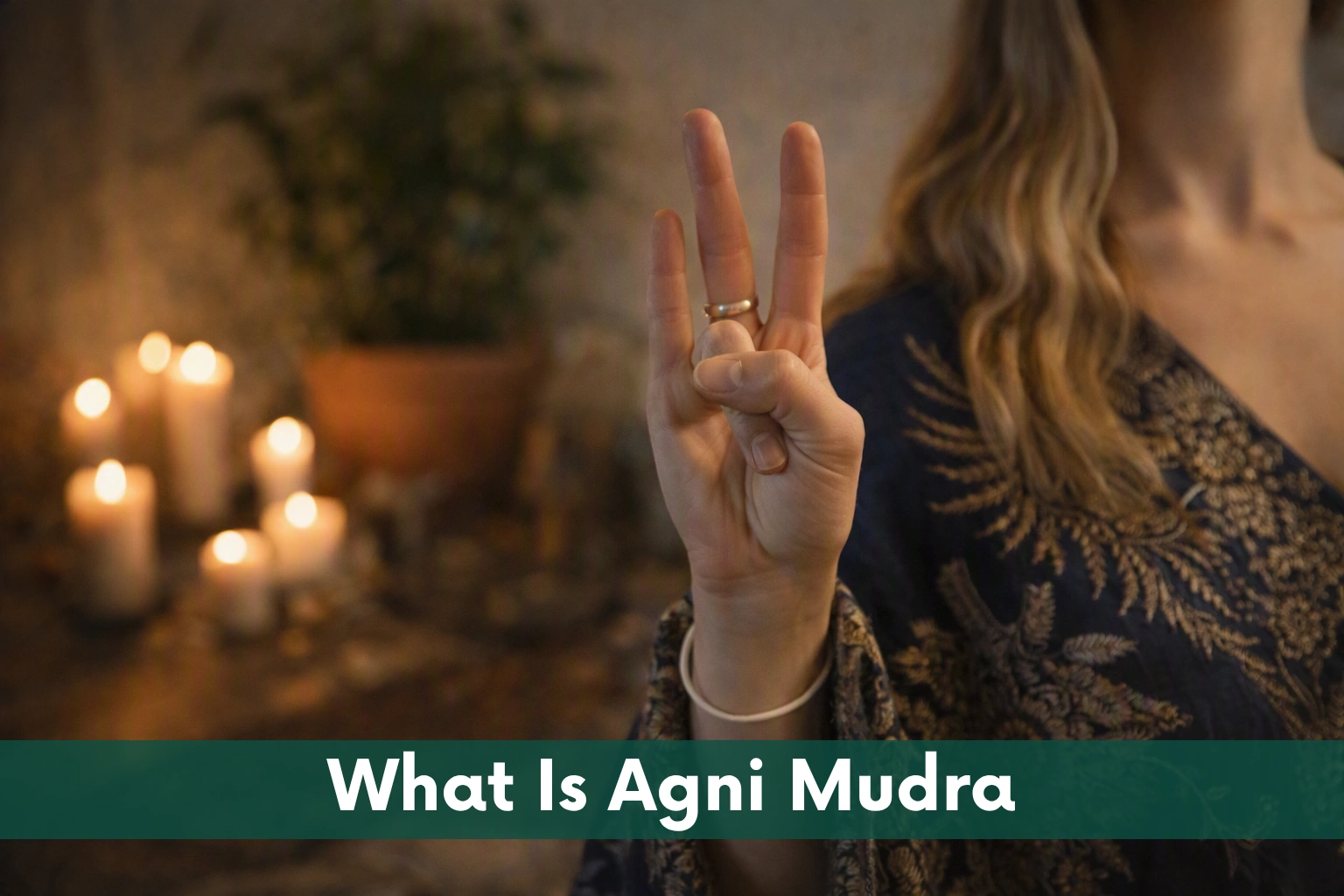
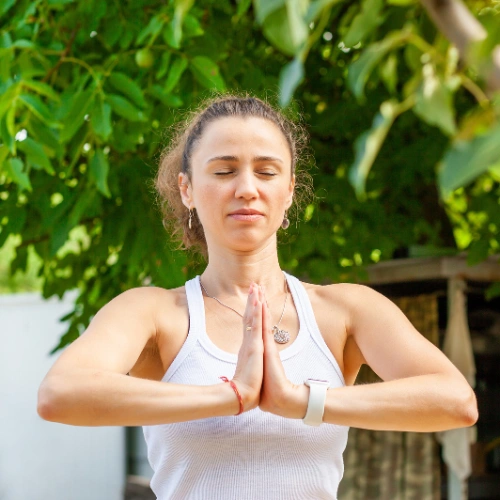
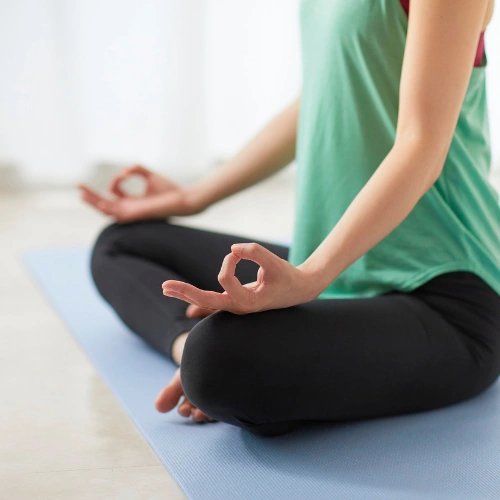
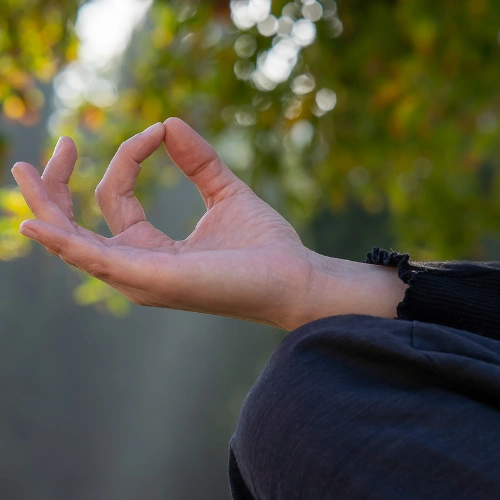
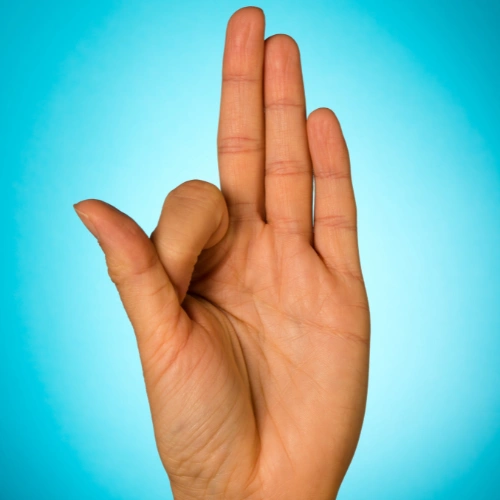
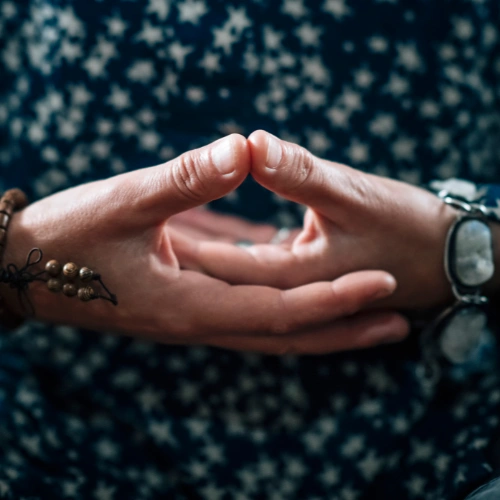
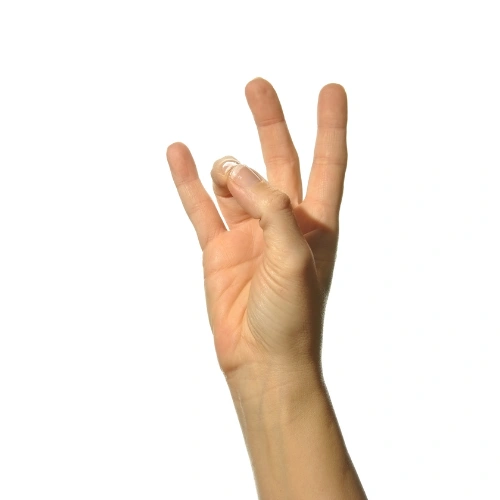
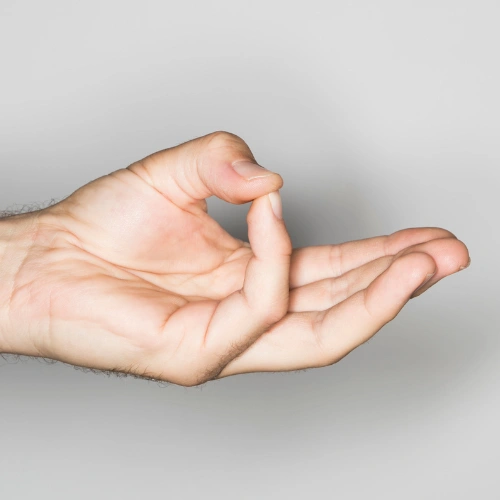
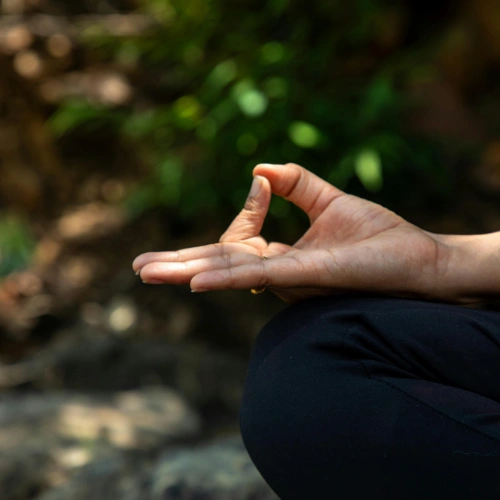
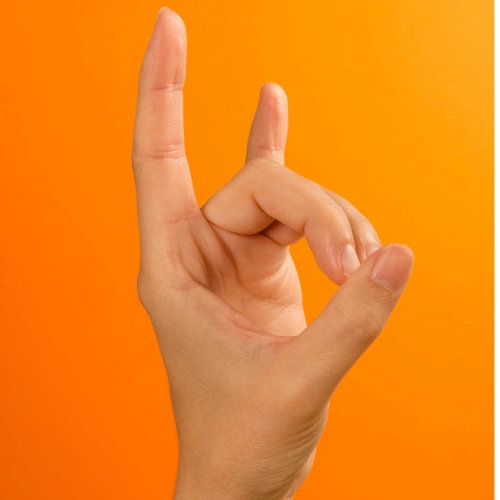
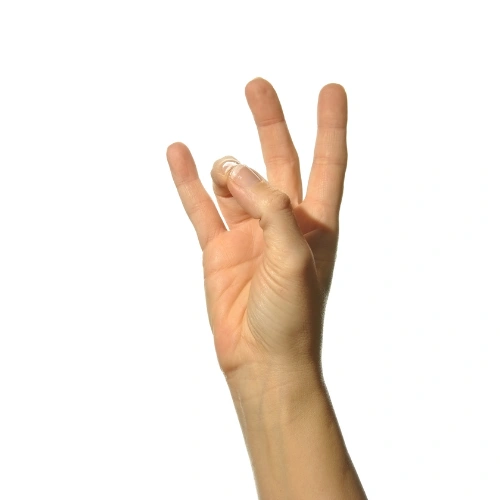
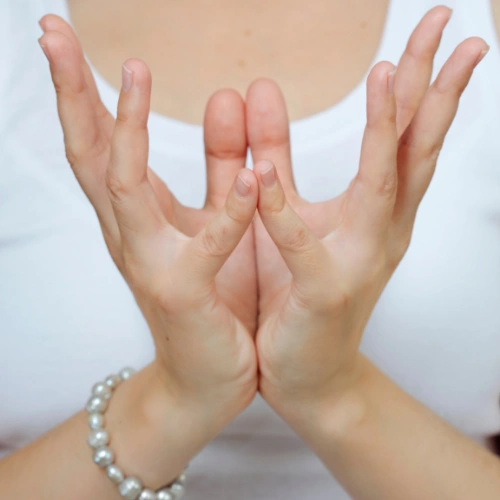
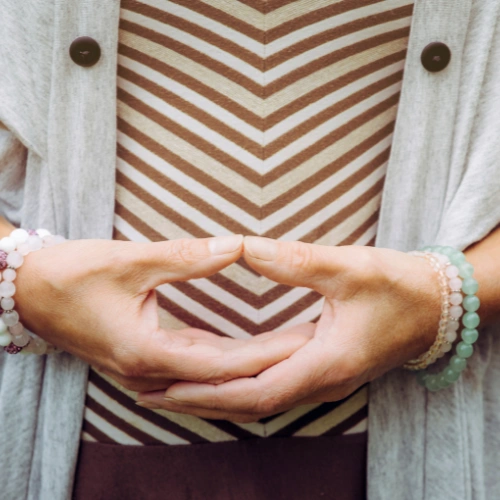
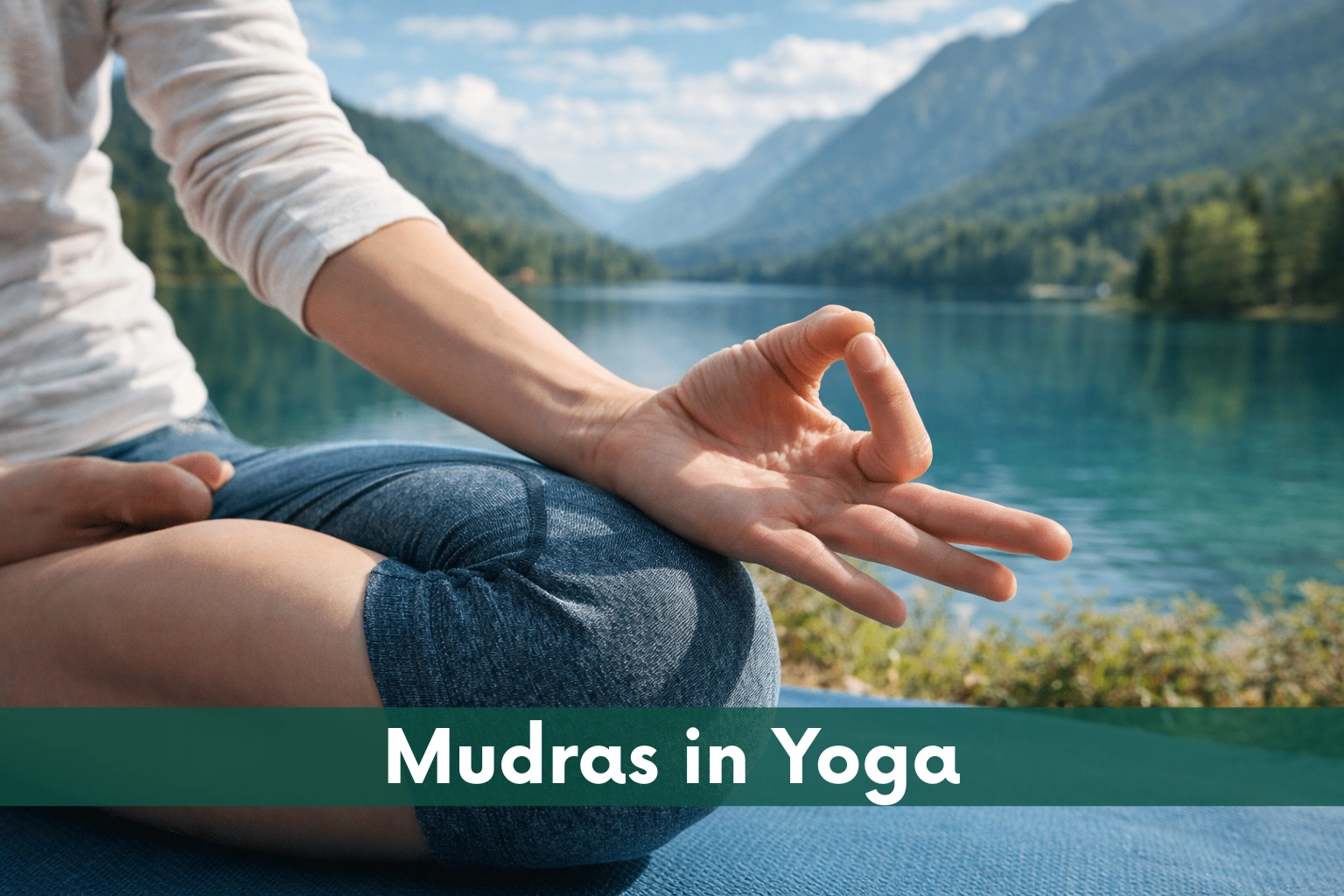
During yoga and meditation, you may notice practitioners placing their hands in specific positions, such as joining the palms in a prayer pose before Surya Namaskar or gently touching the thumb and index finger together while meditating. These intentional hand gestures are known as mudras , an essential part of traditional yoga that has been practised for centuries. More than simple hand positions, mudras are believed to direct the body's energy flow, enhance concentration, and promote physical, mental, and spiritual well-being.
Each mudra has a unique purpose and is associated with different elements, chakras, and healing benefits. Regular practice can help improve focus, reduce stress, encourage emotional balance, support better breathing, and deepen meditation. Many yoga practitioners also use mudras to activate specific chakras, restore inner harmony, and strengthen the mind-body connection.
Whether you are a beginner or an experienced yogi, incorporating mudras into your daily routine can enrich your yoga and meditation practice. In this guide, you'll learn what mudras are, why they are important in yoga, how they support chakra balancing, and discover some of the most effective mudras for improving overall health, mindfulness, and inner peace.
What are Mudras in Yoga?
Mudras are symbolic hand gestures, body postures, or subtle energy seals used in yoga and meditation to direct the flow of prana , or life force energy, throughout the body. The word mudra comes from Sanskrit and means "seal" or "gesture." While there are several types of mudras, including Hasta Mudras (hand gestures), Kaya Mudras (body gestures), and Citta Mudras (mental or consciousness gestures), hand mudras are the most commonly practised because they are simple, effective, and easy to incorporate into daily yoga and meditation.